
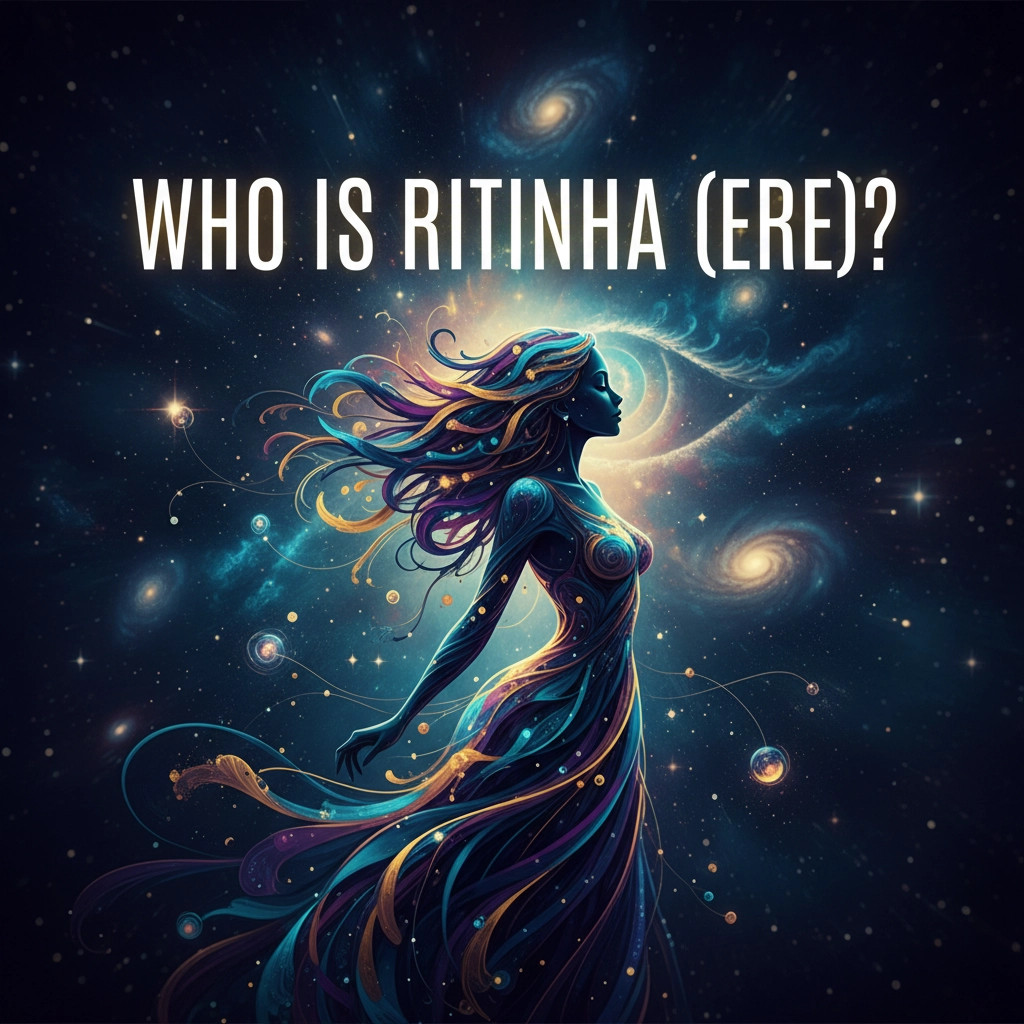
Have you ever wondered about the playful spirits that dance between the worlds of innocence and wisdom? In the rich tapestry of Umbanda tradition, few entities capture hearts quite like Ritinha: a beloved Erê whose childlike essence carries profound spiritual power.
Many people assume that spiritual entities must be solemn, ancient figures draped in mystery. But Ritinha challenges this perception entirely. She's proof that the most profound spiritual teachings often come wrapped in laughter, games, and the pure joy of a child's heart.
The Magic of Childhood Spirituality
Ritinha represents something revolutionary in spiritual practice: the recognition that wisdom doesn't always come with age, and that innocence itself can be a gateway to divine understanding. As one of the seven most recognized Erês in contemporary Umbanda practice, she stands as a testament to the power of childlike faith.
This isn't just about cute spiritual imagery. We're talking about a fundamental shift in how we understand divine connection. Where once spiritual authority was measured by gravitas and age, Ritinha shows us that the giggling spirit of a child can carry messages that penetrate straight to the soul.

Understanding the Erê Phenomenon
What exactly is an Erê? These remarkable spirits represent the "children of Umbanda": entities that manifest during the beginning stages of spiritual trance, serving as bridges between our world and the divine realm. They're not lesser spirits or diminished forms of more "serious" entities. Instead, they're specialized messengers who speak the universal language of joy, play, and unconditional love.
Ritinha embodies this perfectly. Her feminine energy carries the nurturing qualities of the divine mother while maintaining the unburdened wisdom of youth. She reminds us that before we learn to complicate truth, we knew it instinctively.
The name "Ritinha" itself tells a story. Following the beautiful Erê tradition of using popular names in diminutive form, it reflects both accessibility and affection. This isn't a distant, untouchable deity: this is someone who feels like family, like the beloved child in your neighborhood who somehow always knows exactly what to say.
The Ocean's Daughter: Ritinha's Mystical Origins
The traditional ponto (sacred song) dedicated to Ritinha paints a vivid picture of her spiritual landscape. She dwells at the bottom of the sea, with a mermaid as her godmother and "Beira mar" (Sea Shore) as her godfather. This isn't mere poetic imagery: it's a spiritual map.
The ocean represents the unconscious, the vast depths of possibility that exist beneath our everyday awareness. By placing Ritinha there, the tradition acknowledges that childlike wisdom comes from the deepest wells of universal knowledge. Her mermaid godmother connects her to the mysteries of water: emotion, intuition, and the flowing nature of truth that adapts to any container.

Ritinha's Spiritual Attributes and Personality
Those who work with Ritinha describe an entity of remarkable complexity wrapped in delightful simplicity. She brings:
Healing Through Joy: Ritinha's presence often manifests as spontaneous laughter, reminding us that healing doesn't always require suffering. Sometimes, the medicine we need most is permission to be light-hearted about our struggles.
Innocent Wisdom: She offers guidance without judgment, seeing through the complications we create to the simple truths underneath. Her advice often sounds deceptively simple until you realize it's exactly what you needed to hear.
Protective Energy: Don't mistake her childlike nature for weakness. Ritinha's protection is fierce and unwavering, like a mother defending her young or a child's absolute certainty about what's right and wrong.
Bridge Builder: As an Erê, she specializes in making connections: between conscious and unconscious, between human and divine, between the serious adult world and the magical realm of possibility.
Colors, Symbols, and Sacred Elements
Ritinha's spiritual signature includes several key elements that practitioners use to honor and connect with her:
Colors: Soft pastels, particularly pink, light blue, and white, reflect her innocent and nurturing nature. These aren't the bold, commanding colors of warrior spirits, but the gentle hues that soothe and invite trust.
Symbols: Small toys, seashells, ribbons, and miniature boats connect to both her childlike essence and her oceanic origins. Practitioners often place these items on their altars as a way of inviting her playful energy.
Sacred Items: Beaded necklaces (guias) specifically crafted for Ritinha serve as spiritual tools that help practitioners attune to her frequency. These aren't just decorative pieces: they're energetic conduits that facilitate communication and protection.

Offerings That Speak to Her Heart
Working with Ritinha requires understanding what brings her joy. Her offerings reflect the simple pleasures that delight any child:
Sweet Treats: Candy, cookies, and small cakes: particularly those with bright colors or fun shapes. The act of offering sweets isn't about bribery; it's about recognizing the sweetness she brings to life.
Toys and Games: Small dolls, colorful balls, or simple puzzles. These offerings acknowledge her playful nature and invite her to engage with your spiritual practice through joy rather than solemnity.
Fresh Flowers: Especially small, delicate blooms in light colors. Flowers represent the beauty and fragility she protects in all of us.
Clean Water: Offered in small, beautiful containers, this connects to her oceanic origins and represents the pure intentions necessary to work with child spirits.
Ritinha's Role in Modern Spiritual Practice
In our increasingly complex world, Ritinha offers something precious: a reminder that not everything needs to be complicated to be profound. Practitioners turn to her when:
- Life has become too serious and they need to rediscover joy
- They're struggling to trust their intuition
- Healing work requires a gentler approach
- Protection is needed for actual children
- They want to connect with their own inner child
Her influence extends beyond individual practice. In Umbanda communities, Ritinha represents the principle that spiritual wisdom is accessible to everyone, regardless of age, education, or social status. She democratizes the sacred, making it available to anyone with an open heart.

The Transformative Power of Childlike Faith
What makes Ritinha so significant in contemporary spiritual practice? She challenges our adult assumption that wisdom must come through suffering, that spiritual growth requires serious struggle, and that divine connection is reserved for the solemn and scholarly.
Instead, she shows us that sometimes the fastest path to truth is through laughter. The quickest way to healing might be through play. The strongest protection often comes from innocence rather than armor.
This doesn't mean Ritinha's work is superficial or merely therapeutic. Child spirits in Umbanda carry responsibilities that would humble many adult entities. They serve as guardians of hope, protectors of the vulnerable, and keepers of the flame of wonder that illuminates even the darkest spiritual landscapes.
Working with Ritinha: A Practice of Heart
Those called to work with Ritinha find themselves transformed by her approach to spirituality. She teaches through experience rather than lecture, through feeling rather than thinking, through being rather than doing.
Her lessons are profound in their simplicity: Trust comes before understanding. Love doesn't need reasons. Joy is its own justification. Play is not the opposite of seriousness: it's the highest form of engagement with life itself.
In a world that often feels heavy with responsibility and complexity, Ritinha reminds us that the divine realm includes space for lightness, laughter, and the kind of unconditional love that sees beauty in everything.
The Living Legacy of Childhood Wisdom
Ritinha's presence in Umbanda represents more than individual spiritual work: she's part of a living tradition that recognizes childhood not as preparation for real life, but as a state of being that holds its own irreplaceable gifts.
Through her, we see that preserving tradition doesn't mean keeping it locked in the past. Instead, it means allowing it to remain as alive, dynamic, and joyful as the day it first touched human hearts. She bridges generations not by lecturing about the old ways, but by making them feel as fresh and relevant as a child's laughter.
The spirits don't speak in one voice: some thunder with authority, others whisper with ancient wisdom. But Ritinha? She giggles with divine truth, reminding us that the most profound mysteries often hide in plain sight, wrapped in the simple gift of an open, loving heart.