
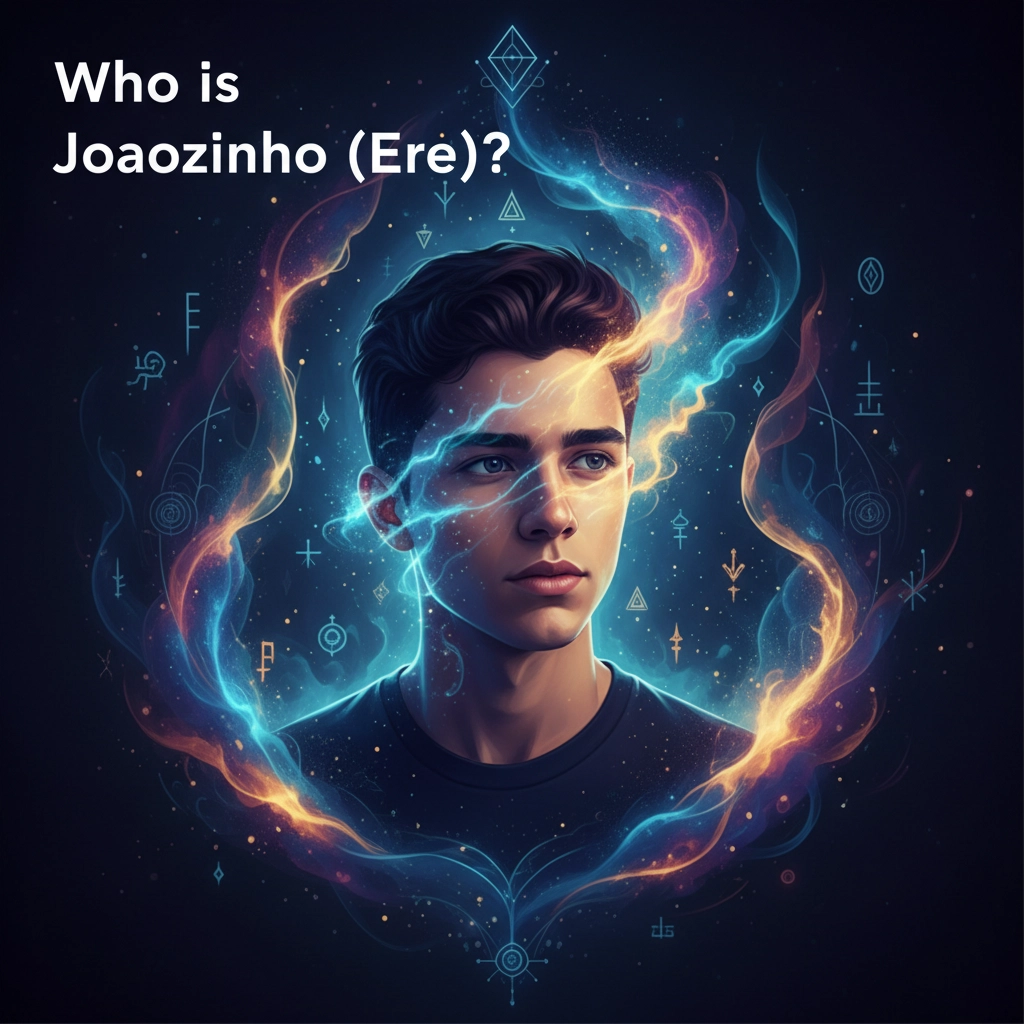
When most people think of spiritual guides, they imagine ancient wise beings draped in mystery and solemnity. But what if I told you that one of Umbanda's most powerful healers comes in the form of a playful six-year-old boy who loves pranks, sweets, and making grown adults laugh until they cry?
Meet Joãozinho (Ere) – a child spirit whose tragic earthly story transformed into a mission of healing through joy, laughter, and the sacred power of play.
The Boy Who Refused to Be Broken
Picture this: Brazil, 1670. A slave ship docks in Ceará, carrying in its hellish belly not just human cargo, but a spirit so resilient that even death couldn't contain it. Joãozinho was born into this world of chains and suffering, yet from his first breath, he chose defiance through joy.
While other children might have been crushed by the brutal reality of plantation life, Joãozinho became the spark that kept hope alive. He was that kid – you know the type – always hiding objects, making animals dance, turning the darkest moments into opportunities for laughter. The overseer's whip? Hidden. The master's tools? Mysteriously relocated. The enslaved people's spirits? Lifted by this tiny tornado of mischief.

But here's where the story takes a turn that will break your heart and rebuild it again: at just six years old, after one prank too many involving the overseer's lasso, little Joãozinho was placed in the stocks. Day and night, this child – this beacon of joy – was left to suffer. The other enslaved people begged for his release, knowing he meant no harm. But the punishment continued until his small body could take no more.
When Death Becomes Transformation
Here's what the plantation owners didn't understand: you can't kill a spirit like Joãozinho's. You can only set it free to work in ways they never imagined.
After his death, something beautiful and mysterious began happening. Objects would disappear and reappear. Laughter would echo through the plantation at impossible moments. The enslaved people knew – Joãozinho hadn't left them. He'd simply upgraded his methods.
They started leaving sweet offerings and saying, "It was Joãozinho!" when things went missing, only to find them returned in the most unexpected places. This little boy who had been broken by cruelty became known as "Pererezinho do Ceará" – the little trickster from Ceará who proved that joy is revolutionary, and play is sacred resistance.
Understanding the Ere: More Than Child's Play
Now, let's get something straight – Joãozinho isn't just some cute mascot for the Umbanda tradition. He's an Ere, and Eres are spiritual dynamite wrapped in childhood wonder.
Eres are child spirits who serve as bridges between the heaviness of adult reality and the limitless possibilities of pure consciousness. They use innocence not as naivety, but as a weapon against rigidity, depression, and spiritual stagnation.
When Joãozinho manifests in Umbanda giras (rituals), he's not there just to entertain. He's performing spiritual surgery with laughter as his scalpel. That prank that makes you lose your keys? He's teaching you about attachment. That joke that catches you off guard? He's showing you where you've become too serious about things that don't matter.

The Sacred Attributes of Joãozinho
Personality: Joãozinho embodies the perfect balance of playfulness and wisdom. He's mischievous but never malicious, funny but never cruel. His humor always serves a higher purpose – healing, teaching, or breaking down the walls we build around our hearts.
Spiritual Role: As an Ere, Joãozinho specializes in:
- Healing through joy and laughter
- Breaking negative thought patterns
- Teaching flexibility and adaptability
- Removing spiritual blockages through play
- Connecting adults with their inner child
- Providing comfort during grief and loss
Colors: Joãozinho is associated with bright, cheerful colors – blues and whites representing his connection to clarity and joy, often with touches of yellow and red reflecting his playful energy.
Symbols: Toys, especially balls and spinning tops, candy, feathers, small bells, and anything that brings joy to children. His symbols remind us that the path to enlightenment doesn't have to be somber.
Working With Joãozinho: The Art of Sacred Play
Want to connect with Joãozinho's energy? Forget everything you think you know about "serious" spiritual work. This Ere responds to authenticity, playfulness, and genuine joy.
Offerings that Delight Him:
- Sweets (he has a particular fondness for candy and soda)
- Colorful toys, especially balls and spinning tops
- Bubble solution and soap bubbles
- Colorful ribbons and balloons
- Fresh fruits, particularly those that are sweet
- Children's games and puzzles
How He Communicates:
Joãozinho doesn't speak in cryptic riddles or ancient prophecies. He communicates through:
- Synchronicities that make you laugh
- Objects mysteriously moving or disappearing temporarily
- Sudden urges to play or be silly
- Children behaving in unusually wise ways around you
- Dreams filled with laughter and games
- Moments of unexpected joy during difficult times

The Modern Message of an Ancient Spirit
In our world of smartphones, stress, and endless seriousness, Joãozinho's message hits different. He's not asking us to abandon our responsibilities or act childishly. He's reminding us that wisdom without joy is incomplete, and healing without laughter is only half-done.
Think about it: when did we decide that spiritual growth had to be painful? When did we agree that enlightenment required suffering? Joãozinho challenges these assumptions with every giggle, every prank, every moment of pure, uncomplicated joy he brings into our lives.
The Mediums Who Channel Light
The people chosen to channel Joãozinho aren't random. They're typically individuals who possess what spiritual traditions call "serious lightness" – the ability to lift heavy energy with their presence while simultaneously absorbing and transforming the pain around them.
These mediums often share certain qualities:
- Natural comedic timing
- Deep empathy combined with resilience
- The ability to find humor in dark situations
- Strong intuitive connections
- A childlike wonder that survived adult challenges
- The capacity to comfort others through joy
When Joãozinho works through these mediums, transformation happens not through dramatic spiritual theatrics, but through the subtle alchemy of laughter healing what tears couldn't touch.
Why Joãozinho Matters Now More Than Ever
We're living in times when depression rates are skyrocketing, when people have forgotten how to play, when joy feels like a luxury we can't afford. Into this landscape walks (or skips, or cartwhheels) Joãozinho, reminding us that joy isn't frivolous – it's revolutionary.
His story from the plantation to the terreiro (sacred space) represents one of humanity's greatest truths: that the human spirit, especially when embodied in the fearless heart of a child, cannot be destroyed by any system of oppression. It can only be transformed into something more powerful.

The Healing Power of Sacred Mischief
When Joãozinho enters a spiritual consultation or ritual, he brings medicine that no pharmacy can provide. He offers:
Perspective Shifts: That problem that's been consuming you? He'll show you the absurdity hidden within it, not to minimize your pain, but to free you from its prison.
Energy Cleansing: His playful energy acts like spiritual soap, washing away the heaviness that accumulates from life's challenges.
Inner Child Healing: For adults who lost touch with their capacity for wonder, Joãozinho provides a safe bridge back to that innocent part of themselves.
Community Building: His pranks and games naturally bring people together, reminding us that healing happens in connection with others.
Embracing the Joãozinho Within
Here's the truth that makes some people uncomfortable: we all have a Joãozinho inside us. That part that wants to laugh inappropriately during serious meetings. That impulse to skip down the street instead of walking normally. That desire to blow bubbles or chase butterflies or eat ice cream for breakfast.
Society tells us to suppress these impulses. Joãozinho tells us to honor them – not as childishness, but as connections to our authentic selves.
The boy who refused to let slavery steal his joy now serves as a guide for anyone who refuses to let life steal theirs. In a world that profits from our sadness, choosing joy becomes a radical act. In a culture that demands constant productivity, making time for play becomes rebellion.
Joãozinho didn't just survive the plantation – he transcended it, transforming personal trauma into collective healing, individual pain into universal medicine. His laughter echoes across centuries, reminding us that no matter how dark the moment, how heavy the burden, how serious the situation – there's always room for joy, always space for play, always potential for transformation through the sacred act of not taking ourselves too seriously.
The child spirit who once hid lassos from overseers now helps us find the keys we thought we'd lost – not just to our houses or cars, but to our hearts, our hope, and our capacity for unshakeable joy.