
What if the most powerful protectors in the spiritual realm weren't ethereal beings floating in cosmic realms, but hard-working cowboys who never forgot their earthly mission? Meet Zé da Boiada: where the dust of cattle drives meets the divine purpose of spiritual guardianship, creating one of Brazil's most beloved and feared spiritual entities.
In the sprawling landscapes of Brazil's Northeast, where cattle roam endless plains and vaqueiros (cowboys) live by codes of honor older than written law, a legend was born that would transcend the boundaries between flesh and spirit. This isn't just another folklore tale gathering dust in academic archives: this is the living, breathing story of a man whose death became the beginning of his greatest work.
The Man Behind the Legend: From Orphan to Master
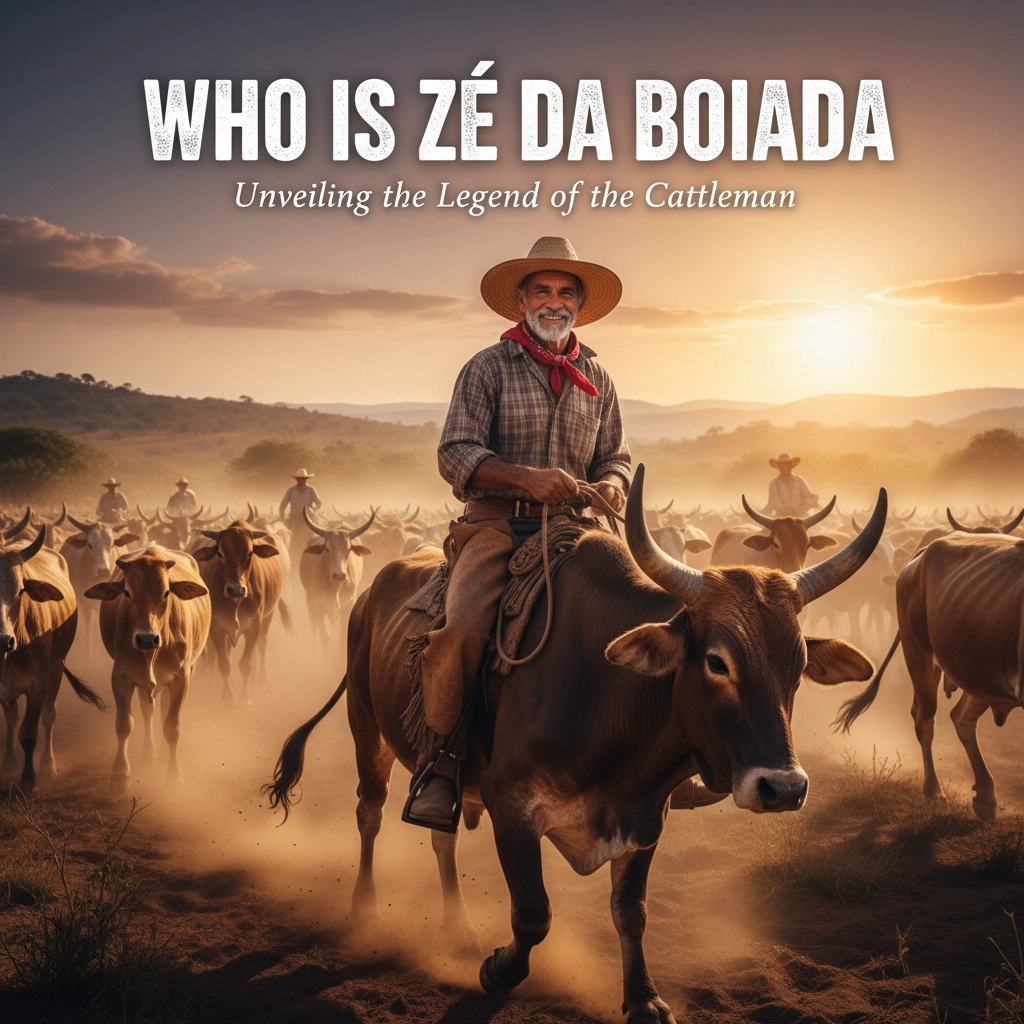
Picture a twelve-year-old boy standing at the crossroads of destiny, orphaned by fate but adopted by the unforgiving beauty of Brazil's cattle country. This was José: the man who would become Zé da Boiada: thrust into a world where survival meant mastering both the art of cattle herding and the deeper rhythms of the land itself.

The ranch that became his home wasn't just a place of work; it was a university of life where every sunrise brought new lessons in courage, loyalty, and the sacred bond between humans and animals. Young José didn't just learn to ride horses: he learned to dance with danger, to read the language of cattle, and to execute the legendary "virada" (the turn) that would eventually earn him his nickname and his place in spiritual history.
But here's where the story takes a turn that challenges everything we think we know about success and legacy. At the height of his powers, around age 40, during a vaquejada competition that should have been just another day at the office, a bull's horn found its mark. In that moment of impact, José da Virada's earthly journey ended: but Zé da Boiada's spiritual mission was just beginning.
The Transformation: When Death Becomes Divine Purpose
What happens when a master of the physical realm crosses into the spiritual dimension? In José's case, something extraordinary occurred. Guided by benevolent spirits through what Umbanda tradition calls "spiritual rescue," his soul didn't simply rest: it evolved, transformed, and chose to serve.
This isn't just a story about death and rebirth; it's about conscious choice in the spiritual realm. Zé da Boiada made the decision to continue his work of protection and guidance, but now his "cattle" became the spiritual wellbeing of devotees, and his "ranch" expanded to encompass every Umbanda terreiro (spiritual center) where his presence is welcomed.

The transition from man to spiritual entity represents something profound: the idea that our earthly skills, passions, and dedication don't disappear when we cross the veil: they become the foundation for our spiritual service. Where once he guided cattle across physical landscapes, Zé da Boiada now guides souls across spiritual territories far more complex and vital.
The Boiadeiro Archetype: More Than Cowboys in the Spirit World
To understand Zé da Boiada fully, we must grasp the significance of the Boiadeiro line within Umbanda tradition. These aren't just spiritual entities with cowboy aesthetics: they represent a specific class of intermediate spirits whose earthly experience with cattle, horses, and the harsh realities of rural life perfectly prepared them for their spiritual duties.
Boiadeiros serve as spiritual "cleanup crews" and protectors, specializing in removing negative energies and collecting obsessing spirits that might harm devotees. They work under the irradiation of powerful orixás like Ogum (the warrior deity) and Iansã (the deity of winds and storms), combining protective force with cleansing power.
But Zé da Boiada stands apart even within this distinguished company. His reputation extends throughout Brazil, particularly in the Northeast, where his story resonates with the lived experience of countless families whose ancestors worked the ranches and participated in the vaquejadas that defined regional culture for centuries.
The Living Presence: How Zé da Boiada Manifests Today
Walk into an Umbanda terreiro when Zé da Boiada is called, and you'll witness something that bridges worlds. The medium receiving his spirit doesn't just channel an abstract energy: they embody the complete persona of a working cowboy, complete with his signature tools: the facão (machete), espora (spurs), and chicote (whip).

But these aren't just symbolic accessories. Each tool represents a specific aspect of his spiritual work. The facão cuts through negative influences and spiritual obstacles. The spurs drive action and movement in stagnant situations. The whip disciplines and directs energy where it's needed most. When devotees sing the traditional songs calling Zé da Boiada: describing him arriving on horseback to tend his spiritual cattle and protect the terreiro's children: they're invoking a presence that's both ancestral memory and living reality.
The songs themselves paint vivid pictures: "Zé da Boiada descendo a ladeira" (Zé da Boiada coming down the hillside) captures the image of a figure constantly in motion, always ready to respond to those who call upon him. This isn't a distant deity requiring elaborate rituals: this is a working spirit who shows up when needed, sleeves rolled up and ready for whatever spiritual challenges await.
Cultural Revolution: From Regional Folk Hero to Universal Guide
What makes Zé da Boiada particularly fascinating is how his influence has grown beyond regional boundaries. While his origins are deeply rooted in Northeast Brazilian culture, his presence is now felt in Umbanda communities throughout Brazil and beyond. This expansion represents something crucial about spiritual evolution in our interconnected world.
The cowboy archetype speaks to universal human experiences: the struggle against harsh environments, the development of courage through necessity, the bonds formed through shared hardship, and the code of honor that emerges when survival depends on mutual trust and protection. These themes resonate whether you're in rural Brazil or urban São Paulo, whether your ancestors herded cattle or worked in factories.

This universality doesn't diminish the specificity of Zé da Boiada's origins: it amplifies their power. By remaining authentically connected to his cowboy roots while adapting to serve diverse communities, he demonstrates how genuine spiritual entities maintain their essential nature while expanding their reach and relevance.
The Deeper Mission: Protection Beyond the Physical
Understanding Zé da Boiada requires recognizing that his protective work operates on multiple levels simultaneously. On the most immediate level, devotees call upon him for physical protection: safety during travel, security in dangerous situations, resolution of conflicts that might turn violent.
But his deeper work involves what spiritual practitioners call "energetic cleansing" and "spiritual defense." In a world where negative influences can attach themselves to individuals and communities, Zé da Boiada serves as both detective and enforcer, identifying harmful spiritual presences and removing them with the same efficiency he once showed in separating cattle.
This work extends to emotional and psychological protection as well. The same qualities that made him an effective vaqueiro: quick thinking, steady nerves, ability to remain calm under pressure: serve him well in helping devotees navigate the complex challenges of modern life. Whether someone is dealing with workplace harassment, family conflicts, or internal struggles with confidence and direction, Zé da Boiada's energy provides both practical wisdom and spiritual strength.
The Living Legacy: What Zé da Boiada Teaches Us Today
In our age of digital disconnection and urban alienation, what can a spiritual cowboy from Brazil's cattle country teach us? More than we might initially imagine. Zé da Boiada represents values that transcend time and geography: loyalty that doesn't waver under pressure, courage that acts despite fear, and the understanding that true strength comes from serving something greater than ourselves.
His story also offers a powerful model for how we might think about legacy and purpose. Rather than seeing death as an ending, his transformation into a spiritual guide suggests that our deepest skills and commitments can continue serving others long after our physical presence ends. The cowboy who dedicated his life to protecting cattle became the spirit who dedicates his afterlife to protecting people: same mission, expanded scope.

For practitioners of Umbanda and those drawn to Afro-Brazilian spiritual traditions, Zé da Boiada provides a bridge between ancestral wisdom and contemporary needs. He proves that spiritual entities don't need to be ancient or exotic to be powerful: sometimes the most effective guides are those whose human experience most closely mirrors our own struggles and aspirations.
The tradition continues to thrive because it addresses real needs with authentic spiritual power, guided by entities like Zé da Boiada who remember what it means to work hard, face danger, and never abandon those depending on your protection. In our complex modern world, we still need cowboys: we just need them to work in spiritual dimensions as well as physical ones.