
Ever wondered why certain spiritual presences feel like they've been guiding humanity since the dawn of time? Meet Tupinambá: a powerful indigenous spirit guide whose warrior energy and ancient wisdom continue to shape spiritual practices across the Americas today.
In the rich tapestry of Afro-Brazilian spirituality, few entities command as much respect and reverence as Tupinambá. This isn't just another spirit guide we're talking about: this is ancestral power incarnate, a bridge between the earthly realm and the sacred wisdom of Brazil's indigenous peoples.
The Warrior Spirit Who Never Left
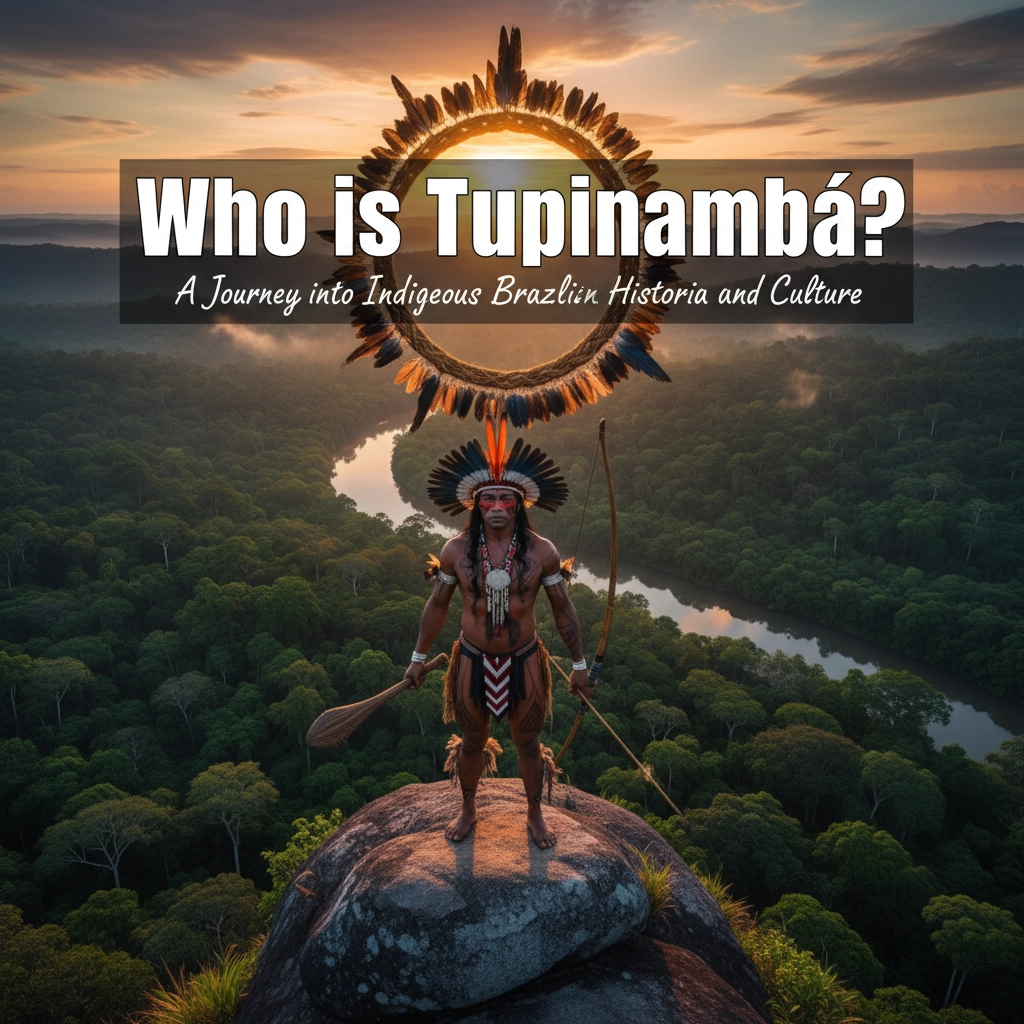
Tupinambá stands as one of the most significant Caboclo spirits in Umbanda and related traditions. His name echoes the proud indigenous people who once ruled Brazil's coastal regions, and his spiritual presence carries their unbroken strength into modern practice.
What sets Tupinambá apart isn't just his historical significance: it's his fierce protective nature and his unwavering commitment to justice. When practitioners invoke his presence, they're calling upon a warrior whose spiritual battles have been fought for centuries, long before the first European ships touched Brazilian shores.

His energy manifests as both teacher and protector, embodying the raw power of untamed nature while maintaining the disciplined wisdom of an ancient chief. Those who work with Tupinambá often describe encounters that feel like sitting around a sacred fire, receiving counsel from an elder whose eyes have witnessed the rise and fall of civilizations.
Sacred Attributes and Spiritual Significance
Tupinambá's spiritual attributes reflect his deep connection to the earth and his role as a guardian of indigenous wisdom. His presence is characterized by:
Courage and Leadership: As a chief among spirits, Tupinambá embodies natural authority and the courage to face any challenge. He doesn't just offer protection: he teaches practitioners how to develop their own inner strength and leadership abilities.
Connection to Nature: His bond with the forest, rivers, and animals runs deeper than most spirits. Tupinambá serves as a reminder that true spirituality cannot be separated from respect for the natural world.
Justice and Protection: This isn't a gentle, passive spirit. Tupinambá actively fights against injustice and offers fierce protection to those under his care. His justice is swift and decisive, rooted in natural law rather than human constructs.
Ancestral Memory: He carries the collective memory of indigenous peoples, serving as a living repository of ancient knowledge and traditions that would otherwise be lost to time.
The Colors and Symbols of Ancient Power
Working with Tupinambá requires understanding his sacred symbols and preferred colors, which serve as gateways to his energy:
Green and Brown: These earth tones represent his deep connection to the forest and soil. Green symbolizes growth, healing, and the vital force of nature, while brown represents stability, grounding, and the rich earth that sustains all life.
Red Accents: Often incorporated to represent his warrior spirit and the blood of his ancestors. This isn't the red of anger, but of life force and passionate commitment to his people.
Feathers: Sacred to all Caboclo spirits, feathers: especially those from eagles, hawks, and other birds of prey: represent his ability to soar between worlds and see the bigger picture.
Arrows and Bows: Traditional symbols of the hunter and warrior, these represent both his protective nature and his precision in spiritual matters.
Stones and Crystals: Natural formations, particularly those found in Brazilian forests, serve as conduits for his earth-based energy.
Traditional Offerings That Honor His Spirit

Tupinambá appreciates offerings that reflect respect for nature and acknowledgment of his indigenous heritage:
Tobacco: Sacred to many indigenous traditions, high-quality tobacco (not commercial cigarettes) burned as incense or left as an offering shows deep respect for his spiritual authority.
Cachaça or Quality Rum: These spirits represent the fire element and the transformation of natural materials into something more potent: a perfect metaphor for spiritual evolution.
Corn and Indigenous Foods: Fresh corn, cassava, and other native Brazilian foods honor his cultural heritage and show understanding of his earthly connections.
Natural Honey: Represents sweetness, abundance, and the harmonious relationship between all living beings.
Fresh Flowers: Particularly those that grow wild in Brazilian forests, showing respect for the beauty and vitality of his natural domain.
Crystal-Clear Water: From natural sources when possible, representing purity, life, and the flowing nature of spiritual energy.
His Role in Ceremonies and Spiritual Work
In ceremonial settings, Tupinambá manifests with unmistakable presence. His incorporation often brings a sense of ancient authority to the space, with practitioners reporting sensations of standing in old-growth forests or hearing distant drums.
His ceremonial work focuses on:
Healing Deep Wounds: Particularly those related to injustice, cultural trauma, or disconnection from one's roots. Tupinambá doesn't just heal: he helps practitioners reclaim their power and dignity.
Strategic Guidance: His counsel often comes in the form of strategic advice, helping people navigate complex situations with the wisdom of an experienced leader.
Protection Rituals: When serious spiritual protection is needed, Tupinambá's interventions are both swift and comprehensive, addressing threats on multiple levels.
Connection to Ancestry: He helps practitioners: regardless of their ethnic background: develop deeper relationships with their ancestral wisdom and cultural heritage.
The Living Bridge Between Worlds
What makes Tupinambá particularly relevant in today's spiritual landscape is his role as a cultural bridge. He doesn't ask practitioners to abandon their backgrounds or appropriate indigenous culture. Instead, he teaches universal principles of respect, courage, and connection to the natural world.

His presence in Afro-Brazilian traditions represents something profound: the fusion of indigenous wisdom with African spiritual technology and European mystical elements, creating something entirely new while honoring all contributing traditions.
This isn't cultural mixing for its own sake. It's the recognition that true spiritual power emerges when different wisdom traditions meet with mutual respect and genuine understanding.
Working with Tupinambá Today
Modern practitioners who develop relationships with Tupinambá often find their spiritual practice becoming more grounded, more connected to natural cycles, and more focused on justice and community healing.
He doesn't tolerate spiritual bypassing or superficial engagement. Those who approach him must be prepared for honest self-examination and committed action in the world. His lessons often involve stepping up to leadership roles, defending the vulnerable, and taking responsibility for one's impact on both human and natural communities.
His guidance frequently centers on:
- Developing authentic personal power rather than seeking control over others
- Understanding the difference between aggression and healthy assertiveness
- Learning to read natural signs and cycles for spiritual timing
- Building genuine community connections rather than superficial spiritual networking
- Taking action on environmental and social justice issues as spiritual practice
The Eternal Guardian's Message
In our current era of spiritual confusion and cultural disconnection, Tupinambá's presence offers something irreplaceable: authentic indigenous wisdom filtered through centuries of spiritual evolution. He reminds us that true spirituality isn't separate from earthly concerns but deeply engaged with them.
His message is clear: the ancestors are not dead and gone. They live on in the traditions, in the land, and in the spirits of those who carry forward their wisdom with respect and understanding.
When you light tobacco for Tupinambá, you're not just making an offering: you're acknowledging an unbroken chain of wisdom that connects modern practitioners to the first humans who recognized the sacred in the natural world.
The warrior chief stands ready, as he has for generations, to guide those brave enough to walk the path of authentic spiritual power. His forest is always open to sincere seekers, his fire always burning for those who approach with genuine respect and readiness to learn.
In Tupinambá, we find not just a spirit guide, but a living reminder that the wisdom of the ancestors flows eternal, waiting for each generation to rediscover its power and purpose.