
What happens when a seven-year-old child, torn from the familiar red earth of Guinea, becomes one of Brazil's most beloved spiritual guides? The story of Pai Jacó isn't just another tale from history's forgotten corners: it's a testament to how the human spirit transforms suffering into sacred wisdom.
Most people think spiritual leaders emerge from comfortable temples or privileged backgrounds. They're wrong. Sometimes the most profound spiritual teachers rise from the deepest valleys of human experience, carrying messages that can only be born from genuine transformation.
From Guinea to Minas Gerais: A Journey That Changed Everything
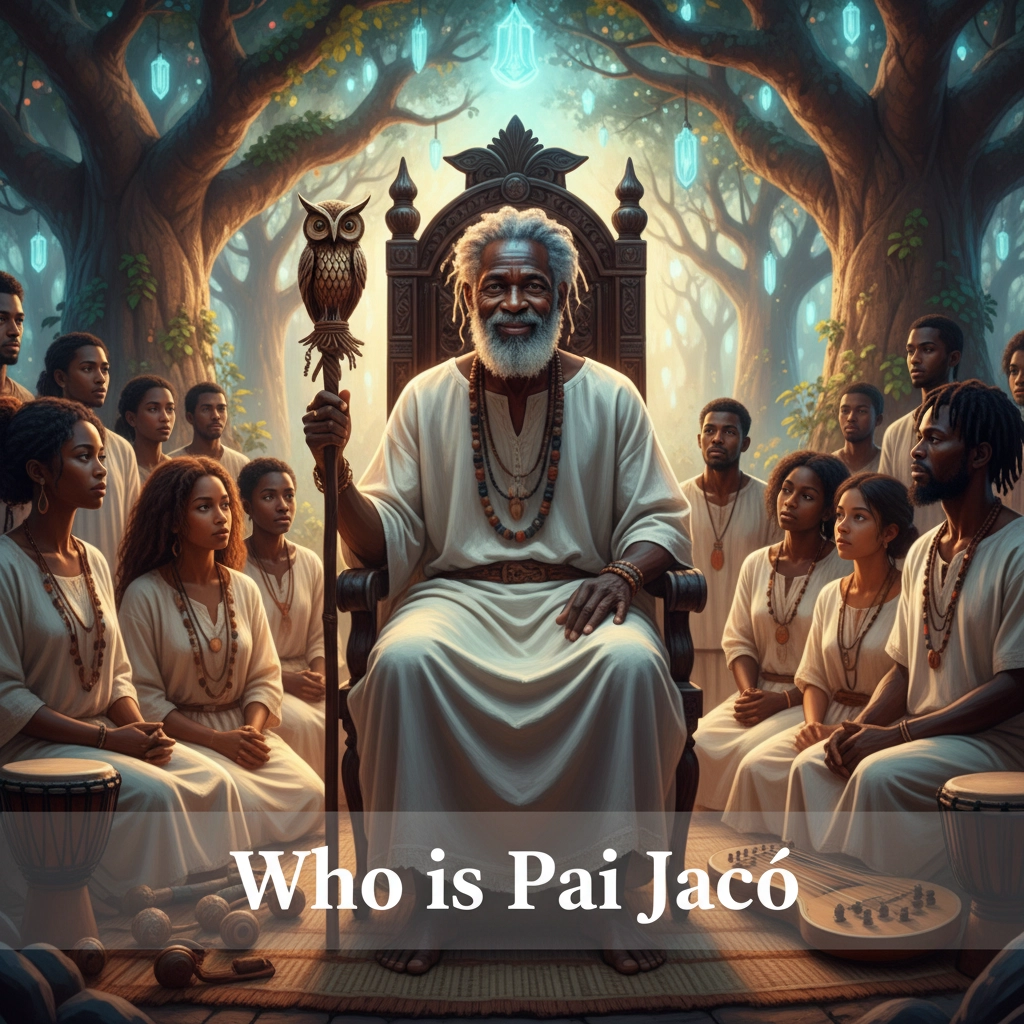
In 1764, in the lush landscapes of Guinea, West Africa, a child was born who would become one of Brazil's most revered spiritual figures. Pai Jacó's early years were shaped by the rhythms of African village life, surrounded by ancestral wisdom and community bonds that would later influence his spiritual calling.
But at just seven years old, his world shattered. Captured and forced into the brutal machinery of the Atlantic slave trade, young Jacó found himself on a ship bound for Brazil: a journey that would strip away everything familiar yet somehow prepare him for a greater purpose.

When he arrived in the northern regions of Minas Gerais, Pai Jacó was purchased by a local farmer. What could have been just another story of exploitation became something far more complex. The child who had lost his homeland began to plant new spiritual seeds in Brazilian soil.
The Making of a Spiritual Revolutionary
Here's what's fascinating about Pai Jacó's story: he didn't reject his circumstances or become bitter. Instead, he embodied qualities that would later define his spiritual legacy: humility, resignation not to fate but to divine will, and an unwavering work ethic that earned him the respect of even his captors.
Those who knew him described a man whose presence seemed to carry something otherworldly. He worked the land with his hands, but his spirit was cultivating something far more profound. In the coffee plantations and farm fields of Minas Gerais, Pai Jacó was unconsciously preparing for a transformation that would echo through centuries of Brazilian spiritual practice.
The enslaved often carried their spiritual traditions like hidden treasures, passing down through whispered prayers and secret ceremonies the wisdom that colonizers tried to erase. Pai Jacó became a living bridge between the ancestral knowledge of Guinea and the emerging Afro-Brazilian spiritual landscape.
The Prison Cell That Became a Sacred Space
Every spiritual leader has a moment of profound awakening, but few experiences match the intensity of Pai Jacó's mystical breakthrough. Imprisoned without light or water: the details of his confinement remain part of oral tradition: he faced what seemed like the ultimate test of faith.
But darkness has a way of revealing light that daylight obscures.

In that cell, stripped of everything except his connection to the divine, Pai Jacó experienced what can only be described as a direct encounter with spiritual forces. Through prayer and surrendering to something greater than his immediate circumstances, he emerged transformed. Those who witnessed his release spoke of a man who had somehow touched the sacred and returned with gifts for his community.
This wasn't just personal enlightenment: it was the birth of a spiritual guide whose influence would ripple through generations of Brazilian religious practice.
Why Pai Jacó Matters in Modern Spiritual Practice
Think the days of genuine spiritual guides are over? Think again. Pai Jacó's story challenges everything we assume about spiritual authority and authentic teaching.
In today's world of Instagram spirituality and commercialized enlightenment, Pai Jacó represents something refreshingly authentic. His spiritual authority didn't come from books or formal training: it emerged from lived experience, genuine suffering transformed into wisdom, and an unshakeable connection to ancestral knowledge.
Within Afro-Brazilian traditions like Umbanda and Candomblé, Pai Jacó is venerated not as a distant historical figure, but as an active spiritual presence. Practitioners call upon his guidance for healing, protection, and spiritual cleansing. His energy is associated with humble service, patient endurance, and the kind of wisdom that only comes from walking through fire and emerging with compassion intact.

The Living Legacy of Pai Jacó
When Pai Jacó died in 1847 at the age of 83, near the same Minas Gerais region where he had spent most of his life, something remarkable happened. Instead of his influence diminishing, it expanded. His spiritual presence began appearing in terreiros (spiritual centers) across Brazil, offering guidance to those seeking healing and connection.
This isn't ancestor worship in the way many people misunderstand it. Pai Jacó's continued presence in spiritual practice represents something more dynamic: a living wisdom that adapts to contemporary needs while maintaining its essential characteristics of humility, service, and transformative power.
Modern practitioners describe encounters with Pai Jacó's energy as profoundly grounding. In a world that often feels chaotic and disconnected, his presence offers something our ancestors understood but we've largely forgotten: spiritual guidance rooted in genuine lived experience rather than theoretical knowledge.
What Pai Jacó Teaches Us About Resilience
Here's what mainstream spiritual teachings often miss: true spiritual power isn't about transcending difficult circumstances: it's about transforming them into fuel for service to others.
Pai Jacó's life demonstrates that spiritual authority doesn't require perfect conditions. Some of history's most powerful spiritual teachers emerged from contexts that would break lesser spirits. What made the difference wasn't the absence of suffering, but the presence of something unbreakeable within the human soul.
In Brazilian spiritual traditions, this understanding runs deep. Spirits like Pai Jacó are honored precisely because they understand struggle intimately. They don't offer platitudes from ivory towers: they provide guidance from the trenches of human experience.

Connecting with Pai Jacó's Wisdom Today
So how does a historical figure from 19th century Brazil speak to contemporary spiritual seekers? The answer lies in understanding that spiritual wisdom transcends time when it's rooted in universal human experiences.
Pai Jacó's path offers guidance for anyone facing overwhelming circumstances. His story suggests that transformation is possible even in the darkest moments, that spiritual strength often emerges from apparent weakness, and that genuine service to others grows naturally from personal healing.
Those who work with Pai Jacó's energy report experiences of deep grounding, increased patience, and a renewed ability to find meaning in difficult circumstances. His presence seems to remind people that spiritual development isn't about escaping life's challenges: it's about meeting them with such profound acceptance that they become doorways to wisdom.
The Continuing Revolution
Pai Jacó represents something revolutionary that's still unfolding: the democratization of spiritual authority. His story proves that profound spiritual wisdom doesn't require formal credentials or institutional approval. Sometimes it requires exactly the opposite: the willingness to find the sacred in circumstances that others would consider profane.
This challenges comfortable assumptions about who gets to be a spiritual teacher and where authentic wisdom originates. In an era when spiritual seeking has become another consumer category, Pai Jacó's path reminds us that the deepest teachings often come from the most unexpected places.
The child torn from Guinea and enslaved in Minas Gerais became a spiritual guide whose influence continues to grow. His legacy whispers a truth that every generation needs to hear: transformation is always possible, wisdom can emerge from any circumstances, and the human spirit carries capacities that no external force can ultimately destroy.
The story isn't over. Each person who connects with Pai Jacó's energy adds another chapter to a narrative that began in 18th century Africa and continues wherever people seek authentic spiritual guidance rooted in genuine human experience.