
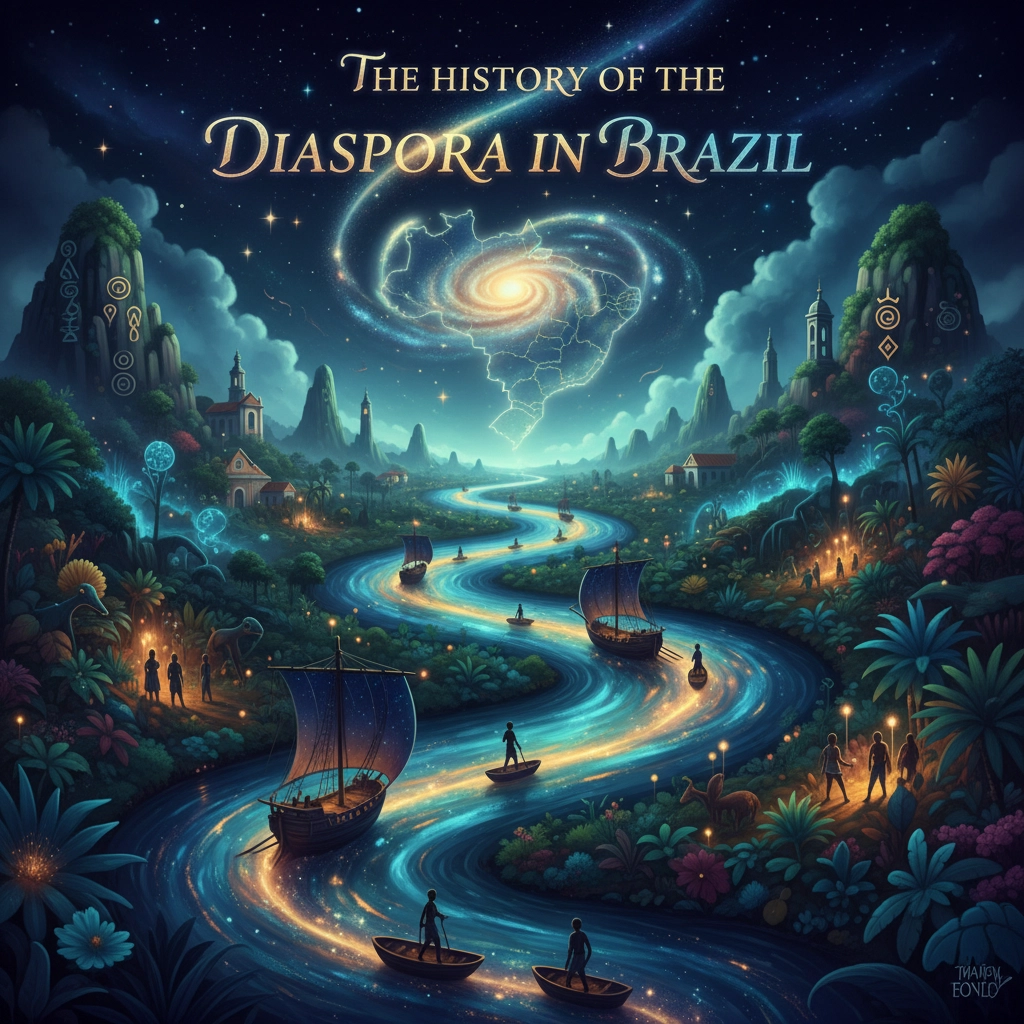
What if I told you that Brazil's soul was forged not by one people, but by countless waves of human migration that created the most vibrant cultural tapestry in the Americas? The story of diaspora in Brazil isn't just history: it's a living, breathing testament to how displacement, whether forced or chosen, can birth entirely new ways of being human.
For over 500 years, Brazil has been a canvas painted by the movements of peoples. From the millions of Africans who survived the brutal Middle Passage to the European immigrants seeking new beginnings, from Lebanese traders to Japanese farmers to modern-day Brazilian emigrants: each wave has left its mark on this continental nation's DNA.
The Great African Diaspora: Where Survival Became Cultural Revolution
Here's a staggering truth that reshapes everything we think we know about the Americas: Brazil received nearly 4 million enslaved Africans: almost half of all Africans forced across the Atlantic. For four centuries, more than any other nation in the Western Hemisphere, Brazil was the destination for this forced migration that would fundamentally transform both continents.
The numbers tell only part of the story. What's remarkable: and what textbooks often miss: is how this diaspora didn't just survive; it transformed Brazil from the ground up. In 1843, Brazilian politician Bernardo Pereira de Vasconcelos made a declaration that still echoes today: "It is Africa that has civilized Brazil."
Think about that for a moment. While European colonizers saw themselves as bringing civilization to the "New World," the reality was far more complex. The African diaspora brought sophisticated agricultural techniques, spiritual practices, culinary traditions, and social structures that didn't just influence Brazilian culture: they became Brazilian culture.
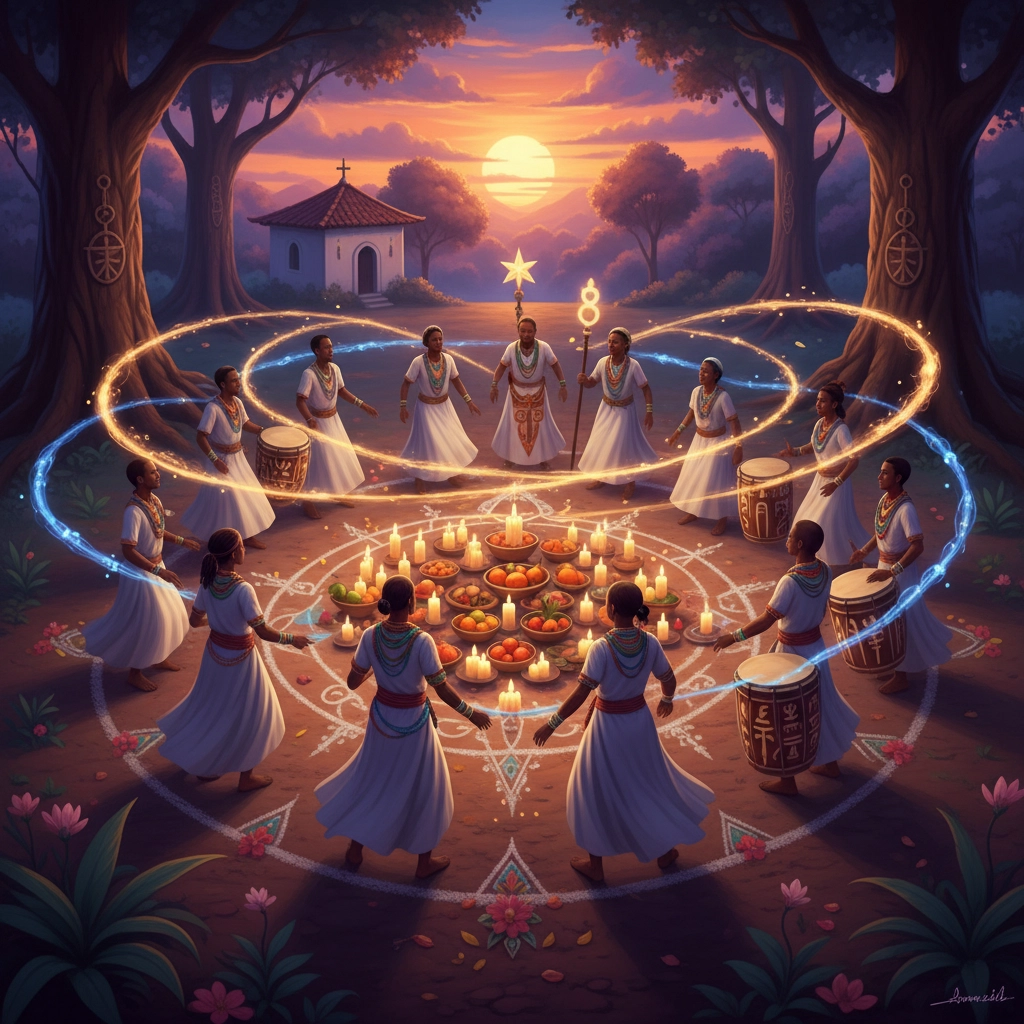
From the terreiros where Candomblé and Umbanda flourish to the capoeira circles that pulse with ancestral rhythms, from the feijoada that graces Brazilian tables to the sambas that move through Rio's streets: these aren't African "influences" on Brazilian culture. They are Brazil.
The forced migration created something unprecedented: a space where African cosmologies could take root and flourish in ways that weren't possible anywhere else in the Americas. Where once there were separate Yoruba, Bantu, and Fon traditions, Brazil became the crucible where these streams merged, creating new spiritual technologies that continue to evolve today.
European Dreams Meet Tropical Reality
But Africa's story is only one thread in Brazil's complex tapestry. Starting in 1808, when Brazilian ports opened to the world, waves of European immigrants began arriving with their own dreams and desperations.
The patterns tell a fascinating story of global upheaval and opportunity. From 1820 to 1876, it was primarily Portuguese settlers averaging 6,000 arrivals per year. Then came the great Italian wave from 1877 to 1903: nearly 60% of all immigrants during this period, fleeing economic hardship in a newly unified but struggling Italy.
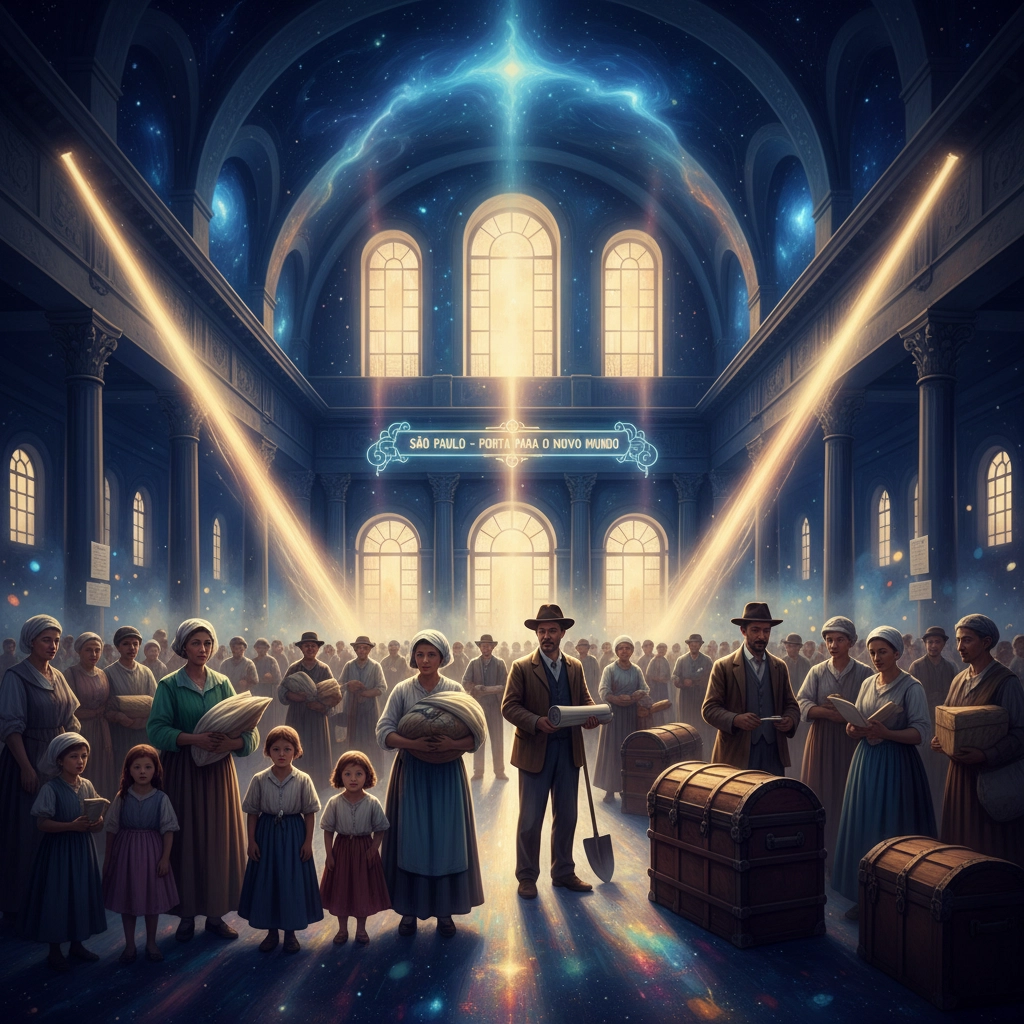
Picture this: German immigrants, many of them "oppressed peasants and former soldiers of Napoleon's army," establishing what would become São Leopoldo in Rio Grande do Sul in 1824. Confederate Americans, displaced by their Civil War defeat, creating settlements around what's now Americana, São Paulo. Lebanese and Syrian traders bringing Middle Eastern entrepreneurship to Brazilian commerce.
Each group brought their own survival strategies, their own ways of making sense of this vast, tropical land so different from their homelands. The paulista coffee oligarchy didn't just want workers after slavery ended in 1888: they wanted to "whiten" Brazil, believing European immigration would somehow diminish the African cultural presence that had already taken root.
They got workers, but the cultural transformation went in directions no one predicted.
São Paulo: Where the World Converged
Between 1872 and 1972, something extraordinary happened in São Paulo. Of the roughly 5.4 million immigrants who arrived in Brazil, 57% settled in this single city. São Paulo became a kind of laboratory for what happens when the world's peoples converge in one place.
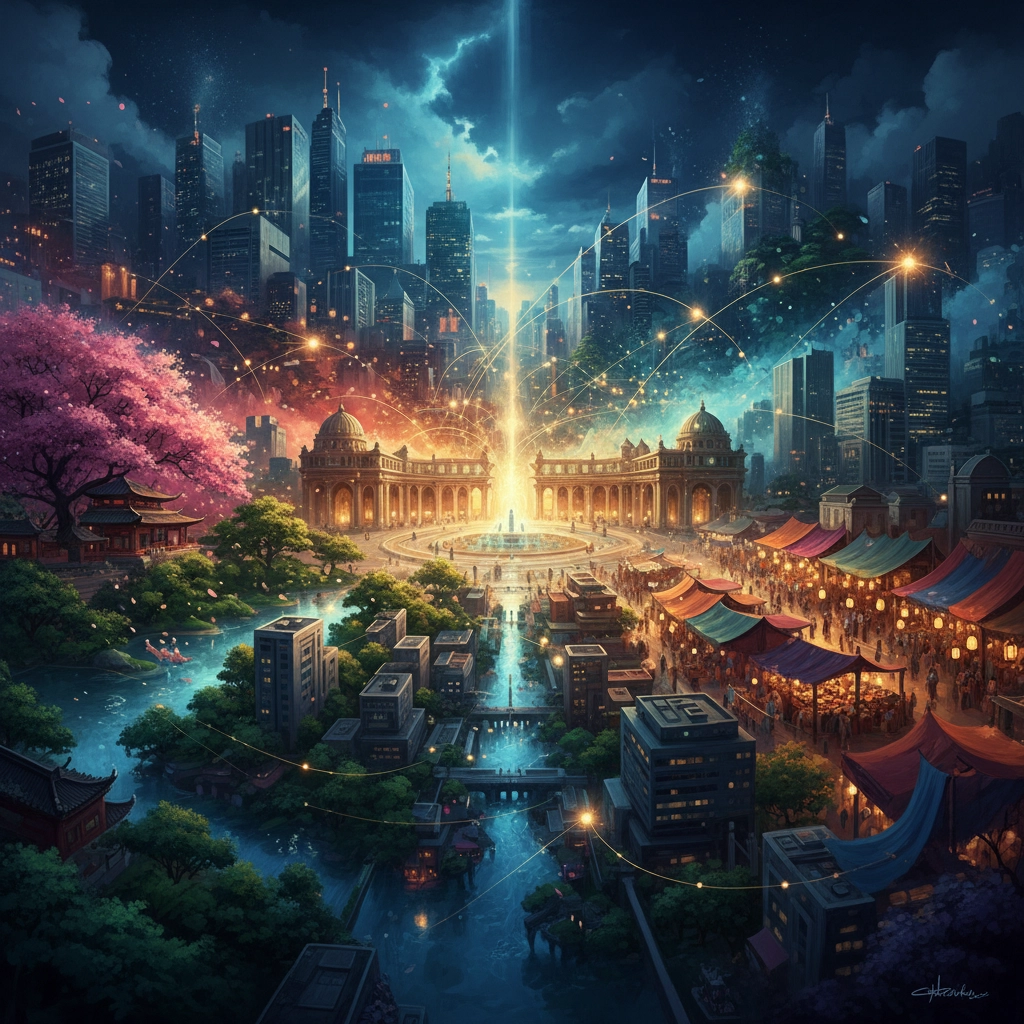
Japanese immigrants arrived in the early 1900s, creating the largest Japanese population outside Japan. Italian immigrants built neighborhoods that still echo with familiar accents. Syrian and Lebanese families established trading networks that connected São Paulo to the broader Middle Eastern diaspora.
But here's what's beautiful about the Brazilian experiment: instead of maintaining rigid ethnic enclaves, these communities began to merge, intermarry, and create something entirely new. The feijoada incorporated ingredients from multiple continents. Carnival became a celebration where African rhythms met European pageantry and indigenous symbolism.
The Modern Brazilian Exodus: When the Diaspora Flows Outward
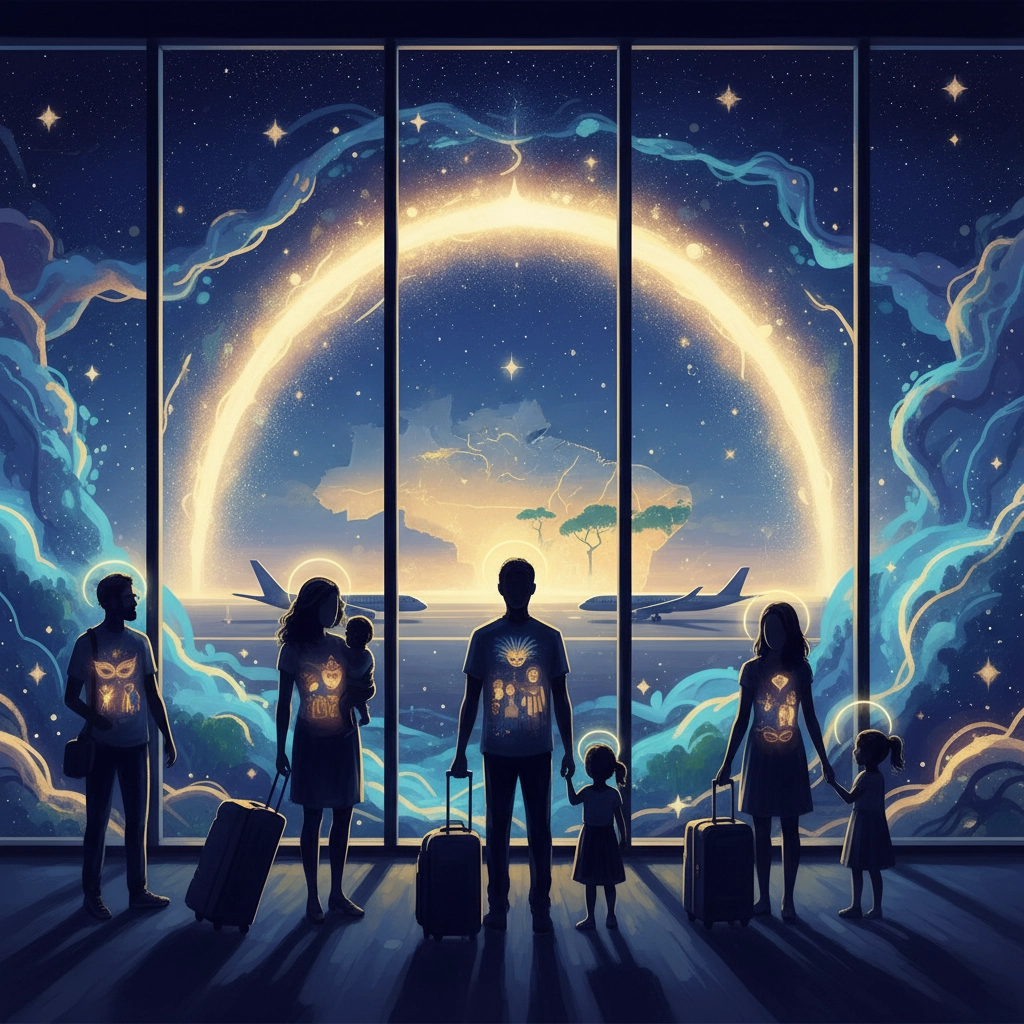
Fast-forward to the 1980s, and Brazil's story takes another dramatic turn. Economic recession and hyperinflation that paralyzed the country created a new phenomenon: the Brazilian diaspora. For the first time in its history, Brazil became a nation that people fled rather than sought.
Between 1985 and 1987, during the worst of the hyperinflation crisis, Brazilians began leaving in unprecedented numbers. By the end of the twentieth century, approximately two million Brazilians: more than 1% of the national population: had migrated abroad.
This wasn't the desperate flight of the very poor, as so many migrations are. These were middle and upper-class Brazilians, mostly from the Europeanized southern regions, taking their skills, education, and cultural sophistication to cities like Miami, Boston, and Los Angeles.
The irony is profound: descendants of immigrants who had come to Brazil seeking opportunity now found themselves seeking the same thing their ancestors had pursued, just in the opposite direction.
The Living Legacy: What Diaspora Creates
So what does this complex history of movement and mixing mean for Brazil today? It means that walking through any Brazilian city, you're witnessing one of the world's greatest experiments in human cultural synthesis.
In Salvador, where African traditions run deepest, you'll find German architecture housing Yoruba ceremonies. In São Paulo's Liberdade district, Japanese gardens sit blocks away from Italian cantinas and Syrian bakeries. In the South, German beer festivals happen in towns where Portuguese is spoken with Italian inflections.
But this isn't just multiculturalism: it's something more profound. It's the emergence of a genuinely new way of being human that honors multiple ancestries while creating something entirely original.
The spiritual traditions that emerged from this mixing are particularly powerful. Umbanda, for instance, incorporates African orixás, European Catholic saints, and indigenous spirits into a coherent system that serves millions of practitioners. It's not syncretism: it's evolution.
The Diaspora Continues
Today, Brazil continues to be shaped by movement. Venezuelan refugees flee economic collapse. Haitian immigrants seek economic opportunity. Meanwhile, young Brazilians still leave for Europe, North America, and increasingly, other Latin American countries.
Each wave brings new possibilities, new fusions, new ways of understanding what it means to be Brazilian. The country that was built by diaspora continues to be transformed by it.
The story of diaspora in Brazil teaches us something profound about human resilience and creativity. When peoples move: whether by choice or force: they don't just transport their cultures unchanged. They create new cultures, new possibilities, new ways of being human that honor the past while embracing an uncertain but potentially beautiful future.
In Brazil, diaspora didn't just create a nation: it created a new kind of civilization, one that proves that human diversity isn't a problem to be solved but a resource for creating richer, more beautiful ways of life.
The whispers of ancestors from six continents still echo through Brazilian streets, not as ghosts of the past, but as living voices shaping a future that remains beautifully, impossibly, hopefully unwritten.