
What if the most powerful healers aren't found in modern hospitals, but in the whispered prayers of our ancestors? What if wisdom isn't measured in degrees, but in the depth of lived experience that transcends time itself?
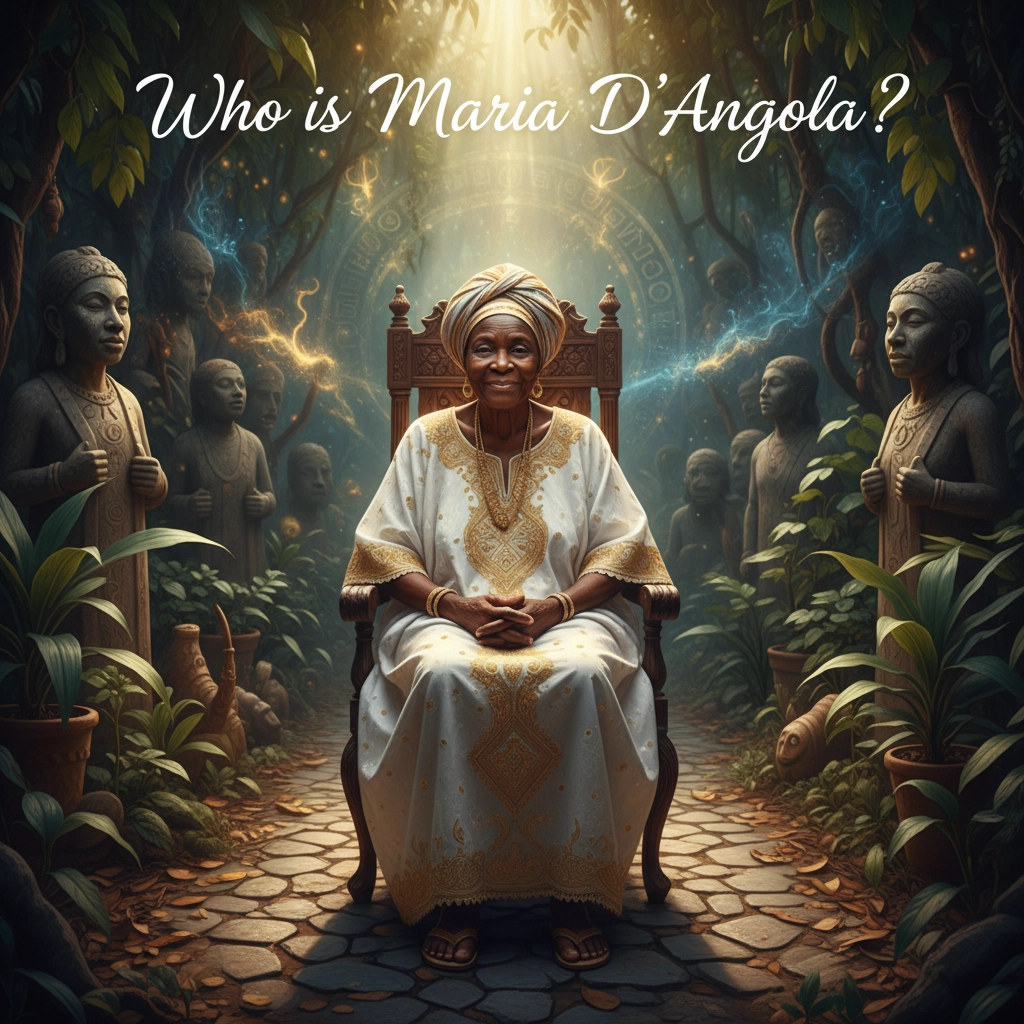
Meet Vovó Maria D'Angola – not a person you can find on social media or in history books, but a spiritual presence so profound that millions across Brazil and beyond seek her guidance daily. She represents something our fast-paced world desperately needs: the unshakeable wisdom of those who've walked through fire and emerged with healing hands.
The Ancestral Mother Who Bridges Worlds
Vovó Maria D'Angola stands as one of the most beloved Preta Velha spirits in Umbanda tradition. The term "Preta Velha" literally means "Old Black Woman," but this translation barely scratches the surface of what these entities represent. They are the spiritual embodiment of enslaved African ancestors – particularly women – who endured unimaginable hardships yet maintained their connection to divine wisdom.

In Umbanda, Vovó Maria D'Angola isn't just a spirit guide; she's a grandmother figure who carries the collective memory of Angola and the African diaspora. Her very name tells her story – "Vovó" means grandmother in Portuguese, "Maria" connects her to both Catholic and African naming traditions, and "D'Angola" roots her firmly in West Central African heritage.
The Healer Who Speaks in Whispers and Works in Miracles
Those who work with Vovó Maria D'Angola describe her as incredibly gentle yet powerfully effective. She doesn't announce herself with thunder and lightning – instead, she arrives with the quiet confidence of someone who's seen everything and fears nothing. Her presence feels like sitting by a warm fire while a wise grandmother shares stories that heal your soul.
Her personality emerges through the mediums who channel her: patient, nurturing, sometimes playfully stern when someone needs direction. She speaks slowly, deliberately, often with the cadence of someone who learned Portuguese as a second language. Her wisdom comes wrapped in simple phrases that carry profound meaning.
The Spiritual Doctor of Hearts and Homes
In Umbanda practice, Vovó Maria D'Angola specializes in several key areas that reflect her earthly experience and spiritual evolution:
Healing Work: She's particularly known for treating illnesses that modern medicine struggles with – depression, anxiety, spiritual blockages, and generational trauma. Her healing methods combine herbal wisdom with prayers that seem to reach directly into the source of pain.
Family Protection: As a grandmother spirit, she fiercely protects families, especially children and women. Many practitioners report that their homes feel different after receiving her blessings – safer, more peaceful, filled with an inexplicable sense of being watched over.
Spiritual Cleansing: She excels at removing negative energies, breaking harmful patterns, and clearing spiritual debris that accumulates in our lives. Her cleansings are thorough but gentle, like a spiritual spring cleaning performed with infinite care.

Sacred Symbols and Divine Colors
Vovó Maria D'Angola's spiritual signature appears through specific symbols and colors that honor both her African heritage and her role as a healer:
Colors: White and blue dominate her spiritual palette. White represents purity, peace, and ancestral wisdom, while blue connects to healing, protection, and the vast sky that connects all lands – including her beloved Angola to Brazil.
Sacred Objects: Her rituals often feature simple but powerful items that reflect her humble earthly life and spiritual authority:
- Clay pipes for smoking sacred herbs
- Rosaries that blend Catholic and African spiritual practices
- Shells that connect to oceanic crossings and Yemanjá's protection
- Healing herbs, particularly rue, rosemary, and guinea hen weed
- White candles that carry prayers to higher realms
Offerings That Honor the Grandmother Spirit
The offerings made to Vovó Maria D'Angola reflect both respect for her sacrifices and recognition of her nurturing nature. These aren't elaborate displays of wealth, but humble gifts that honor her simple tastes and powerful spirit:
Traditional Foods:
- Sweet coffee with milk, served in simple ceramic cups
- Cornbread or corn cakes that connect to African agricultural traditions
- Rice with milk and cinnamon, representing nourishment and sweetness
- Fresh fruits, particularly oranges and apples
- Coconut candy or coconut water
Spiritual Offerings:
- White flowers, especially chrysanthemums and white roses
- Blessed water in ceramic bowls
- Incense that carries prayers upward – sandalwood or frankincense
- Handwritten prayers or requests placed near her shrine

The key to offering to Vovó Maria D'Angola lies not in expense but in intention. She values sincerity over spectacle, genuine need over casual curiosity.
Working With Vovó Maria D'Angola in Modern Times
In our hyperconnected yet spiritually disconnected world, Vovó Maria D'Angola offers something irreplaceable: the wisdom of someone who survived the unsurvivable and chose love over bitterness. Her relevance hasn't diminished – if anything, it's grown stronger as people seek authentic spiritual connection.
Many practitioners describe their first encounter with her as profound yet surprisingly natural. She doesn't demand dramatic displays of faith or complex rituals. Instead, she asks for respect, genuine intention, and openness to receiving guidance in unexpected ways.
Her modern devotees include people from all backgrounds – not just those with African heritage. She seems particularly drawn to help single mothers, immigrants, anyone facing oppression, and people seeking to heal generational trauma. Her message transcends cultural boundaries while remaining rooted in African spiritual wisdom.
The Grandmother Who Never Left Us
Perhaps what makes Vovó Maria D'Angola so compelling is how she represents continuity in a world of constant change. She embodies the truth that love persists beyond death, that wisdom gained through suffering becomes a gift to future generations, and that the ancestors never really leave us – they simply change how they show up.
In working with her, practitioners often report feeling connected not just to a spiritual guide, but to a vast network of ancestral wisdom. She becomes a bridge to understanding that healing isn't just personal – it's generational, cultural, and ultimately universal.

Her presence in Umbanda traditions serves as a powerful reminder that the most profound spiritual teachers often come from the most humble backgrounds. She transforms the legacy of slavery and suffering into one of strength, healing, and unshakeable faith.
The whispers of Vovó Maria D'Angola aren't fading into history – they're finding new voices, new hearts to heal, new families to protect. In a world that often feels fractured and fast-paced, she offers the steady, unchanging love of a grandmother who's seen it all and still believes in the power of prayer, the importance of family, and the healing that comes from honoring our ancestors.
Through her, the traditions of Angola live on, not as museum pieces, but as living, breathing practices that continue to transform lives across continents and generations. The technology may serve the tradition, but traditions like hers serve something even greater – the eternal human need for connection, healing, and hope.